Key Takeaways
- Powering Growth With Shopify And Google Ads: Discover how pairing Shopify’s ecommerce capabilities with Google Ads drives scalable growth and improves digital marketing performance for stronger revenue outcomes.
- Integrating Shopify With Google Systems: Learn the key steps to connect Shopify, Google Merchant Center, and Google Ads, creating smooth operations, unified product data, and clearer performance insights.
- Boosting ROAS Through Strategic Optimization: Find how feed refinement, brilliant campaign structuring, and the effective use of first-party data enhance ROAS and bolster long-term profitability.
At Nord Media, we scale eCommerce brands through strategies rooted in performance and real operational depth. We focus on acquisition, retention, and the systems that support long-term growth and success. Every approach we build is grounded in data and shaped to help brands move with clarity and confidence.
Brands exploring the connection between Shopify and Google Ads often want a more straightforward path from setup to scale. Our perspective highlights the fundamentals that strengthen product feeds, improve tracking, and shape campaigns that align with buyer intent. This preview offers guidance on establishing a structure that facilitates efficient spending and sustainable growth. It’s a look at how thoughtful setup and intelligent optimization can unlock stronger performance for eCommerce teams.
In this blog, we will explore the essential setup steps, feed optimizations, and scaling strategies that help Shopify brands run high-performing Google Ads campaigns designed for efficient and predictable growth.
Why Shopify Stores Need Google Ads For Scalable Growth
For brands seeking predictable scale, Shopify Google Ads management provides the structure needed to turn intent-driven traffic into revenue. Many high-performing stores rely on expert support from our Google Ads Agency to strengthen targeting, bidding, and campaign efficiency.
Capturing Demand Through Intent-Driven Advertising
Google Ads places your products in front of shoppers actively seeking them, aligning search intent with real purchase behavior. This immediate relevance drives stronger conversions and ensures your brand competes at the moment buying decisions happen.
Overcoming Organic Visibility Limitations
Organic growth alone is slow and unpredictable. Google Ads bypasses algorithm dependency, giving Shopify stores instant visibility in competitive markets and accelerating customer acquisition without waiting for SEO momentum.
Scaling Growth Through Data
With real-time analytics, machine learning, and automated bidding, Shopify brands can test, refine, and scale campaigns based on performance, not assumptions. This creates a feedback loop that fuels efficient, profitable growth.
Using High-Impact Campaign Formats
Performance Max, Shopping campaigns, and targeted Search ads cover the whole buyer journey. Together, they expand reach, strengthen relevance, and drive consistent conversions across Google’s entire ecosystem.
Allocating Budget With Confidence
Google Ads provides clear attribution and transparent reporting, enabling brands to invest in SKUs, audiences, and formats that deliver measurable returns. Every spending decision becomes grounded in data, not guesswork.
Building A System For Sustainable Scale
With strong feed health, thoughtful segmentation, and continual iteration, Google Ads becomes a long-term revenue engine. For ambitious Shopify brands, it provides the structure and scalability needed to grow predictably and outperform competitors.

Linking Shopify, Merchant Center, And Google Ads Seamlessly
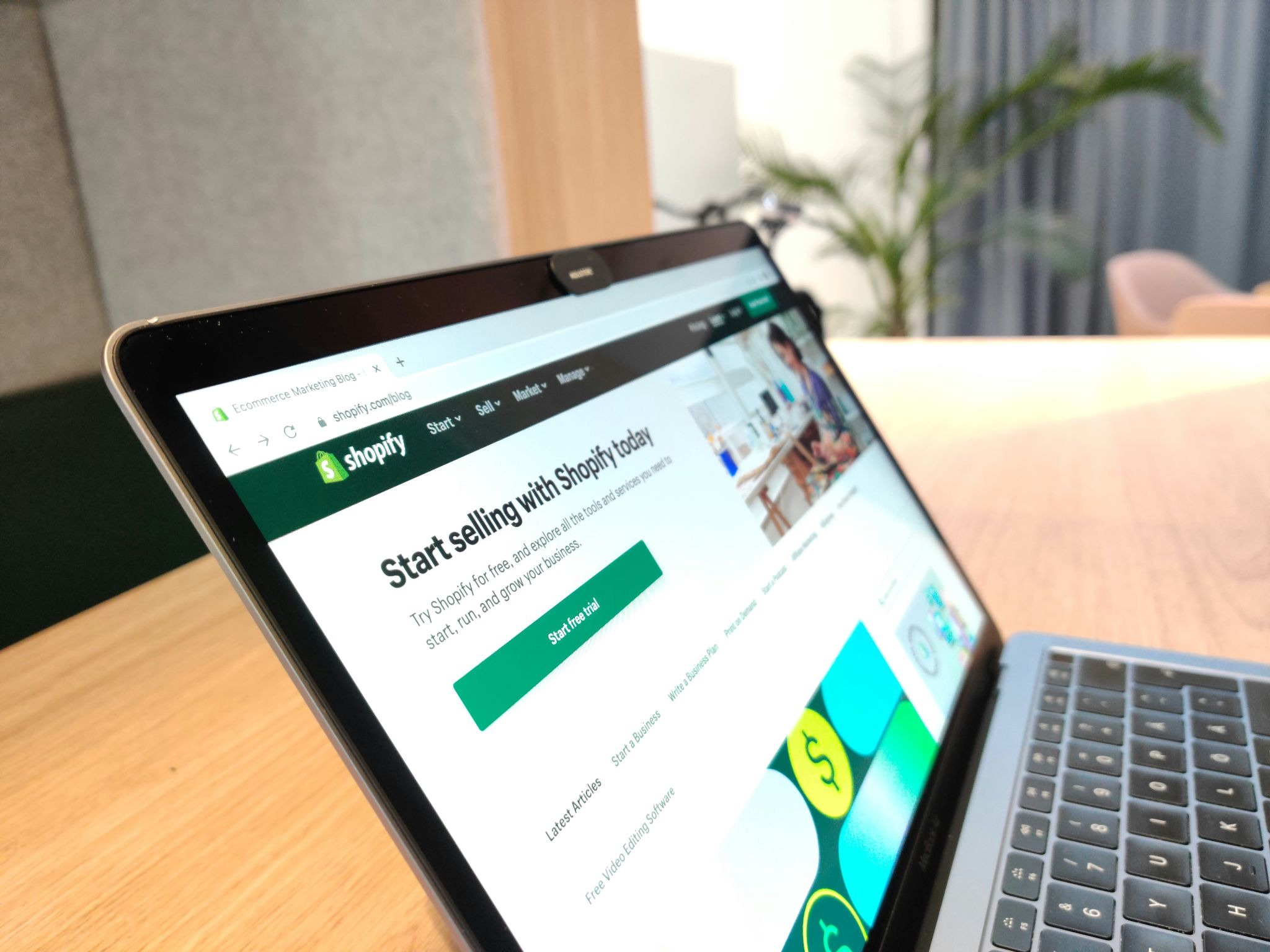
Creating a dependable growth engine for your Shopify store requires more than launching campaigns. A frictionless integration unlocks the full power of Google Ads for Shopify stores, ensuring accurate product syncing and consistent visibility. Connecting these systems through best practices recommended byour PPC for Ecommerce helps maintain a stable, high-performing Shopping infrastructure.
Verifying Your Store For A Strong Foundation
Start by verifying your Shopify domain in Google Merchant Center. This verification confirms store ownership and ensures that your products are eligible for Shopping placements that rely on trusted, authenticated sources.
Syncing Product Data With Precision And Accuracy
Use Shopify’s Google channel to push product information directly into Merchant Center. Maintain clean titles, structured categories, and clear descriptions, because search alignment and relevance directly influence impressions and bidding efficiency.
Maintaining A Healthy Feed For Reliable Performance
The Merchant Center flags issues such as policy violations or missing attributes. Address these alerts promptly; feed health impacts how often your items appear and whether your ads compete in valuable auctions.
Connecting Merchant Center To Google Ads For Full Activation
Once your feed is approved, link Merchant Center to Google Ads to activate Shopping, Performance Max, and dynamic remarketing campaigns, this connection fuels your advertising ecosystem with live product data from your Shopify store.
Validating Tracking For Accurate Performance Insight
Confirm that conversion tracking and enhanced e-commerce reporting are implemented correctly. Reliable data helps you measure which products drive returns, which campaigns scale profitably, and where to focus optimization efforts.
Creating A Scalable Workflow For Ongoing Growth
A streamlined integration minimizes troubleshooting and frees up time for strategic improvements. When product data flows smoothly across Shopify, Merchant Center, and Google Ads, your brand gains a replicable system that supports continuous and predictable scaling.
Which Feed Optimizations Have The Biggest Impact On Visibility And Sales
Brands that prioritize feed accuracy and structure often see the strongest lift from Shopify Google Shopping ads, especially when enhancing titles, images, and GTINs. Diagnostic insights from our performance marketing Ecommerce help ensure every item competes effectively in Shopping auctions. Below are the most impactful levers that consistently elevate campaign results.
- Optimized Product Titles: Strong product titles align with high-intent searches by placing core keywords at the beginning of the title. Prioritize clarity and specificity so Google can accurately match your listings with purchase-ready shoppers.
- Detailed Product Descriptions: Rich descriptions provide essential context that shoppers rely on for informed purchasing decisions. Include material details, sizing clarity, and core benefits to reduce bounce rates and improve engagement signals across your catalog.
- High-Quality Visuals: Clean, professional images dramatically enhance click-through rates. Focus on consistent lighting, sharp resolution, and compliant formats to ensure every listing meets platform standards without risking disapproval.
- Dynamic Pricing Updates: Frequently updated pricing and promotions strengthen competitive positioning. Align feed attributes with active offers to increase relevance during peak shopping periods and attract high-intent clicks.
- Accurate Product Identifiers: Verified GTINs and identifiers support stronger query matching. Supplying correct IDs helps Google classify products confidently, improving visibility across Shopping placements and product carousels.
- Precise Categorization & Attributes: Mapping products to the most specific Google categories boosts discoverability. Add attributes for color, size, gender, and material to help shoppers filter effectively and find the right items faster.
- Automated Feed Enhancements: Apply automated rules to resolve recurring errors and standardize formatting across the entire feed. Frequent diagnostic checks prevent performance drops and ensure product data remains clean and reliable.
A consistent focus on refining your product feed ensures your catalog attracts the right traffic, earns stronger placement in competitive auctions, and converts more efficiently.

How To Structure And Launch Campaigns That Scale Profitably On Shopify
A strategic framework rooted in shopify ppc management ensures campaigns scale profitably across Shopping, Search, and Performance Max. Stores that follow expert guidelines, such as those outlined in Nord Media’s How to Run Google Ads, can build more efficient bidding and segmentation systems.
Segment Campaigns For Precision
Organize campaigns by product type, margin level, or sales performance. Isolating top sellers and high-margin items gives you tighter control over bids and clearer visibility into what drives reliable growth.
Strengthen Feed Quality For Higher Visibility
A strong Shopping feed directly influences performance. Optimize titles, descriptions, GTINs, and images to align with search intent. Use custom labels to categorize products by seasonality, profitability, or lifecycle stage for smarter bidding decisions.
Use Smart Bidding With Clear Guardrails
Automated bidding strategies, such as Target ROAS, can unlock scale when paired with disciplined inputs. Start by gathering baseline data manually, then apply automation while monitoring thresholds and cutting low-intent traffic with targeted negative keywords.
Build Creative Assets That Convert
High-performing creatives fuel remarketing and Performance Max campaigns. Ensure images and videos reflect your Shopify storefront experience, maintain brand consistency, and rotate new variations based on real user engagement patterns.
Track, Attribute, And Iterate Continually
Accurate tracking ties every click to a meaningful outcome. Utilize Google Ads and Shopify analytics together to analyze micro-conversions and complete purchase paths. A robust attribution model identifies which campaigns drive incremental revenue and warrant budget increases.
Improve CRO To Maximize Paid Traffic
Conversion rate optimization amplifies the effectiveness of every ad investment. Enhance product pages, streamline checkout flows, and regularly test site elements to increase the conversion rate from paid traffic to customers, rather than having sessions abandoned.
How To Combine Campaign Choice, First-Party Data, And Automation To Scale Into New Markets
To scale confidently with Shopify and Google Ads, brands must align campaign selection, audience intelligence, and automation. When these decisions work together, expansion becomes systematic rather than risky guesswork.
Choosing Campaign Types That Match Growth Goals
Performance Max unlocks broad reach across Google’s ecosystem, making it valuable for brands with strong feeds and creative assets. Search campaigns offer tighter control for intent-driven targeting, while Shopping campaigns connect product data directly to high-intent buyers. Blending these formats enables brands to strike a balance between automation and precision.
Using Smart Shopping And Performance Max Strategically
Smart Shopping offers stable returns and predictable ROAS for brands with steady catalogs. Performance Max expands reach by tapping into multiple placements and finding incremental opportunities. Stores with robust creative and strong feed data typically experience the most significant lift, while Smart Shopping remains useful for achieving controlled and transparent performance.
Turning First-Party Data Into Scalable Targeting
First-party data, email lists, past buyers, and high-value customers provide the most reliable foundation for targeting. Sync customer lists, create value-based segments, and build remarketing flows tailored to browsing or purchase behaviors. These signals refine Google’s machine learning and increase ROAS across campaign types.
Using Automation To Control Spend And Improve Efficiency
Automated rules and scripts help regulate budgets and avoid overspending. Set rules to pause ads for out-of-stock products, reduce bids when ROAS drops, or boost exposure for bestselling SKUs. Scripts deepen control by syncing inventory, adjusting bids based on margins, or automating bulk changes tied to real-time data.
Testing Market Fit Before Expanding Internationally
Expansion works best when the primary market shows strong, consistent performance. Evaluate potential regions using search volume trends and competitive insights. Localize currency and language through Shopify, then sync multi-currency feeds with Merchant Center to improve trust and conversion rates for international shoppers.
Scaling Into New Territories With Agility
Launch country-specific campaigns to monitor cost differences, ROAS, and buying behaviors. Tailor creative and offers to local norms, then shift budget toward markets delivering efficient growth. Pause underperforming regions quickly to maintain profitability while scaling into stronger territories with confidence.

Final Thoughts
Scaling a Shopify store with Google Ads is about building systems, interpreting data, and maximizing the impact of every creative asset. Brands poised for explosive growth in today’s digital-first landscape need more than cookie-cutter solutions. That’s what we deliver: sharp strategies rooted in performance marketing science, paired with visual storytelling that demands attention.
Integrating Shopify with Google Ads unlocks a feedback loop of data-driven decisions, granular audience targeting, and unparalleled reach. It’s where algorithmic precision meets campaign craftsmanship. Yet, scaling profitably, while maintaining brand identity, requires guidance from those who’ve steered ambitious brands through rapidly evolving digital markets.
At Nord Media, our expertise lies in relentless optimization and innovation, from managing feeds and campaign structuring to envisioning ad creatives that stop the scroll. Each client benefits from battle-tested insight, creative flexibility, and a willingness to experiment for maximized ROI.
Read also:
- Google Ads Costs Explained: Budgeting For Paid Search Success
- How To Scale Facebook Ads Without Losing Profitability
- Master Instagram Ads: A Simple Guide To Boost Your Business
Frequently Asked Questions About Shopify Google Ads
What is Shopify + Google Ads integration?
Shopify + Google Ads integration enables businesses to sync their product catalog with Google’s ad network, allowing for high-visibility placements across Search, Shopping, and YouTube to reach ready-to-buy customers.
How do I connect my Shopify store to Google Ads?
Connection begins by installing Shopify’s Google Channel app, linking your Google account, configuring Merchant Center, and syncing your product feed for quick access to Google’s extensive ad inventory.
What is a Google Shopping feed?
A Google Shopping feed is a structured file containing essential product information, such as titles, prices, images, and availability, which helps Google determine ad eligibility and placement.
How do I set up a Google Shopping feed in Shopify?
Shopify’s Google Channel app automatically generates and syncs your Shopping feed, exporting product data to Merchant Center and updating listings as inventory changes to ensure compliance.
What product information is required for a Google Shopping feed?
Google requires accurate product data, including titles, descriptions, identifiers, condition, pricing, availability, images, shipping details, and brand, helping improve approval rates and campaign performance.
How do I optimize my product titles and descriptions for Google Ads?
Use clear, keyword-rich titles and descriptions that highlight essential attributes. Place key search terms early and focus on details that match buyer intent to increase visibility.
What are the benefits of using Google Ads with Shopify?
Google Ads boosts product exposure, drives targeted traffic, and delivers a measurable ROI by placing your products directly in front of shoppers who are already searching for related items.
How do I track conversions from Google Ads in Shopify?
Install Google’s conversion tags or enable automatic tracking through Shopify’s Google Channel to log sales and key events, allowing accurate performance analysis and ongoing optimization.
















































.png)